2018
Ford Mustang

EPA MPG:
18 mpg
EPA MPG:
18 mpg
RECALL ALERT:
There are 4 recalls on this vehicle.
Learn More.
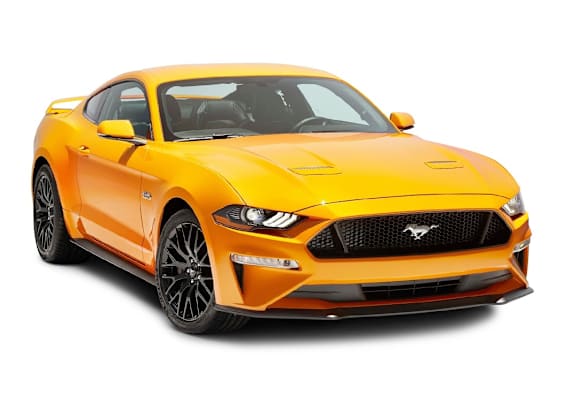


2018 Sports Cars & Convertibles Reliability
This Car
0
100
Ford Mustang
vs. Similar Cars
Audi A5
BMW 2 Series
BMW 3 Series
BMW 4 Series
Chevrolet Camaro
Crash Tests
IIHS Front Moderate Overlap
IIHS Front Small Overlap, Driver
IIHS Side Crash
NHTSA Overall Crash

NHTSA Overall Frontal-Crash
NHTSA Overall Side-Crash
Crash Tests
IIHS Front Moderate Overlap
IIHS Front Small Overlap, Driver
IIHS Side Crash
NHTSA Overall Crash
NHTSA Overall Frontal-Crash
NHTSA Overall Side-Crash
Ford vs. Other New Car Brands
Crash Tests
IIHS Front Moderate Overlap
IIHS Front Small Overlap, Driver
IIHS Side Crash
NHTSA Overall Crash
NHTSA Overall Frontal-Crash
NHTSA Overall Side-Crash
Ford vs. Other New Car Brands
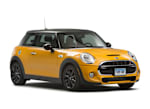
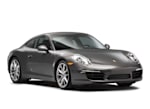
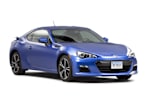
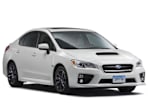
2018 Sports cars 4/5-seat Ratings
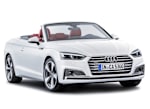
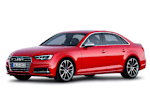
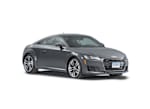
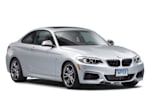
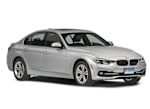
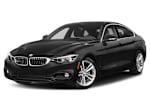
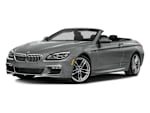
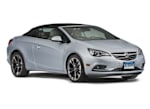
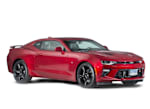
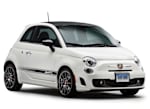

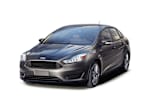
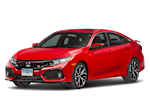
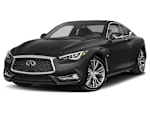
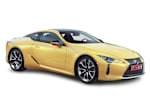
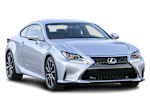


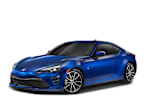
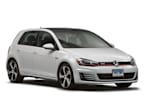

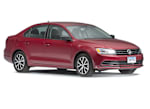
Features & Specs

Body Style
convertible
coupe

Seating
2 front, 2 rear

Drive Wheels
Rear

Engines Available
- 2.3-liter 4 turbo (310 hp)
- 5-liter V8 (460 hp)
- 5.2-liter V8 (526 hp)

Transmissions Available
- 10-speed automatic
- 6-speed manual

Cargo Volume
- Join Consumer Reports cu. ft.
Warranty
Coverage varies among versions of this vehicle
In most cases, automotive warranties are based on the vehicle identification number (VIN), and the warranty will be valid regardless of ownership. The dealership can tell you exactly how much warranty is left.
Read more about extended warranties
Model History