Your membership has expired

The payment for your account couldn't be processed or you've canceled your account with us.

Re-activate

Save products you love, products you own and much more!

Save products icon

Other Membership Benefits:

Savings icon Exclusive Deals for Members Best time to buy icon Best Time to Buy Products Recall tracker icon Recall & Safety Alerts TV screen optimizer icon TV Screen Optimizer and more
    GREEN CHOICE

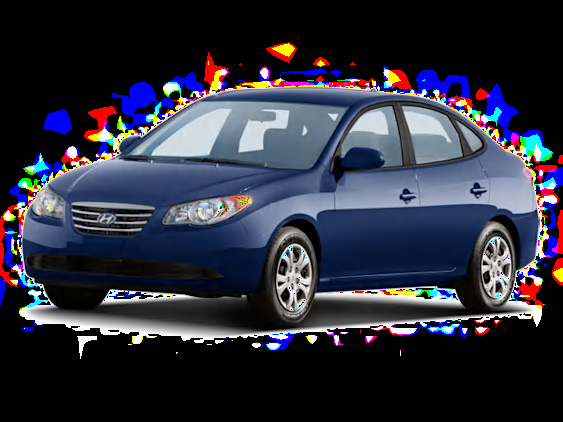
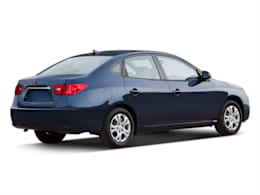
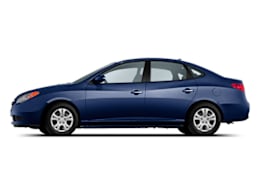
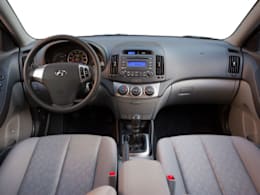
    Hyundai Elantra

    EPA MPG: 26 mpg

    RECALL ALERT:
    There are 3 recalls on this vehicle. Learn More.

    Reliability

    Overall Reliability

    The 2010 Elantra is less reliable than other cars from the same model year.

    The 2010 Hyundai Elantra has been recalled 3 times by NHTSA. View Recalls
    Most Common Trouble Spots
    Common Trouble Spot
    Common Trouble Spot

    Owner Reported Trouble Spots

    The Reliability score is based on our latest subscriber survey of 2010 Hyundai Elantra owners. The owner comments describe problems respondents experienced with this vehicle.

    Suspension/Steering

    Shocks or struts, ball joints, tie rods, wheel bearings, alignment, steering linkage (includes rack and pinion), power steering (pumps and hoses, leaks), wheel balance, springs or torsion bars, bushings, electronic or air suspension.

    What Owners Say

    Bushings

    ""The most costly repair was to replace the lower control arms because their bushings were torn, which also sounded like the most serious problem. However, I dont know enough about mechanics to identify what was wrong. I assume but cannot verify that it has been resolved.""

    Anonymous, MD (2010 Hyundai Elantra SE 2.0-L 4 Cyl)
    Other steering/suspension problem

    ""The second most expensive repair was to replace the front sway bar end links because they were noisy and had excessive play. However, I dont know enough about mechanics to have identified the problem. I assume but cannot verify that the problem has been resolved.""

    Anonymous, MD (2010 Hyundai Elantra SE 2.0-L 4 Cyl)
    Power steering

    "electric pwr strng rubber star gear connection to steerng column eroded. replaced. out of warranty."

    Anonymous A., MA (2010 Hyundai Elantra GLS 2.0-L 4 Cyl)

    "The EPS system has failed. In US Hyundai fixes this for free in Canada we pay"

    Anonymous A., ON (2010 Hyundai Elantra Touring 2.0-L 4 Cyl)

    "Don't know what was wrong. Mechanic fixed it."

    Anonymous, PA (2010 Hyundai Elantra Unsure 2.0-L 4 Cyl)
    Tie rods

    "Numerous suspension and steering parts have been replaced in the last 15 years."

    Anonymous, TX (2010 Hyundai Elantra Touring 2.0-L 4 Cyl)
    Wheel bearings

    "durwastold front left wheel bearing was bad.ing yearly inspection rear rotors were to be replaced .done. also at insp. front left wheel bearing needed tobe repaired. done."

    Anonymous A., (2010 Hyundai Elantra Touring 2.0-L 4 Cyl)

    Body Hardware

    Windows, locks and latches, doors or sliding doors, tailgate, trunk or hatch, mirrors, seat controls (power or manual), seat belts, sunroof, convertible top, glass defect.

    What Owners Say

    Door handle

    "driver's interior door handle broke off. I had to open the window and reach the outside door handle to open the door. Later I improvised a linkage to open from the inside."

    Anonymous A., PA (2010 Hyundai Elantra Touring 2.0-L 4 Cyl)

    "2024, front passenger door handle chrome started peeling. 2025, rear chrome split caused a cut on my hand. Replacement handles on order."

    Anonymous A., CA (2010 Hyundai Elantra Unsure 2.0-L 4 Cyl)
    Windows

    "2022, rear window switches stopped working. On order to be replaced now."

    Anonymous A., CA (2010 Hyundai Elantra Unsure 2.0-L 4 Cyl)

    ""passenger window switch only works for wondow going up, not down. Window has slipped off track 3 times now.""

    Anonymous, IL (2010 Hyundai Elantra Touring 2.0-L 4 Cyl)

    Climate System

    AC compressor, blower (fan) motor, condenser, evaporator, heater system, automatic climate system, electrical failure, refrigerant leakage.

    What Owners Say

    Refrigerant leaks

    "Likely old compressor seals leaking"

    Anonymous, ON (2010 Hyundai Elantra Touring 2.0-L 4 Cyl)

    "One of the lines developed a leak and is too expensive to repair at this time"

    Anonymous, NY (2010 Hyundai Elantra Blue 2.0-L 4 Cyl)

    Transmission Major

    Transmission rebuild or replacement, torque converter, premature clutch replacement.

    What Owners Say

    Clutch replacement

    "The clutch started slipping and before we could get it to the shop the pressure plate/ throw out bearing failed and ultimately damaged the flywheel"

    Anonymous, NY (2010 Hyundai Elantra Blue 2.0-L 4 Cyl)
    Transmission rebuild or replacement

    ""Transmission failed 500 miles before the manufacturers warranty ended (49500 mi). With some urging, the dealer replaced the transmission.""

    Anonymous, TX (2010 Hyundai Elantra Touring 2.0-L 4 Cyl)

    Transmission Minor

    Gear selector and linkage, transmission computer, transmission sensor or solenoid, clutch adjustment, rough shifting, slipping transmission, leaks.

    What Owners Say

    Slipping transmission

    ""Started two years ago, happens once a month.""

    Anonymous, SC (2010 Hyundai Elantra Blue 2.0-L 4 Cyl)

    Exhaust

    Muffler, pipes, catalytic converter, exhaust manifold, heat shields, leaks.

    What Owners Say

    Other/unsure

    "Alternator failed and was replaced."

    Anonymous, FL (2010 Hyundai Elantra SE 2.0-L 4 Cyl)

    Engine Major

    Engine rebuild or replacement, cylinder head, head gasket, turbocharger or supercharger, timing chain or belt.

    Fuel System/Emissions

    Sensors (O₂, or oxygen, sensor), emission-control devices (includes EGR), fuel-injection system, fuel gauge/sender, fuel pump, problems filling up the tank.

    In-car Electronics

    Infotainment system (audio, GPS, phone), rear entertainment system, backup or other camera/sensors, head-up display.

    Paint/Trim

    Paint (fading, chalking, peeling, or cracking), loose interior or exterior trim or moldings, rust.

    Drive System

    Driveshaft or axle, CV joint, differential, transfer case, four-wheel-drive/all-wheel-drive components, driveline vibration, electrical failure, traction control, electronic stability control.

    Engine Electrical

    Alternator, starter, hybrid battery replacement, hybrid battery related systems, regular battery, battery cables, engine harness, coil, ignition switch, electronic ignition, spark plugs and wires failure, auto stop/start.

    Noises/Leaks

    Squeaks, rattles, wind noises, seals and/or weather stripping, air and water leaks.

    Engine Minor

    Accessory belts and pulleys, engine computer, engine mounts, engine knock or ping, fuel leaks, oil leaks.

    Brakes

    Premature pad/rotor wear, pulsation or vibration, antilock system, parking brake, master cylinder, calipers, squeaking, brake failure, regenerative braking.

    Engine Cooling

    Radiator, cooling fan, water pump, thermostat, antifreeze leaks, overheating.

    Electrical Accessories

    Cruise control, clock, warning lights, body control module, keyless entry, wiper motor or washer, tire pressure monitor, interior or exterior lights, horn, gauges, 12V power plug, USB ports, alarm or security system, remote engine start, heated or cooled seats, heated steering wheel, headlights, automatic headlights, automatic wipers, wireless charging pad.

    2010 Sedans & Hatchbacks Reliability

    This Car
    vs. Similar Cars

    Hyundai vs. Other New Car Brands Reliability

    Reliability History
    * Redesign year
    00
    01*
    02
    03
    04
    05
    06
    07*
    08
    09
    10
    11*
    12
    13
    14
    15
    16
    17*
    18
    19
    20
    21*
    22
    23
    24
    25
    Overall Reliability Verdict
    NA
    NA
    NA
    NA
    NA
    NA
    NA

    POTENTIAL TROUBLE SPOTS
    Powertrain
    NA
    NA
    NA
    NA
    NA
    NA
    NA
    NA
    NA
    Engine Major
    NA
    NA
    NA
    NA
    NA
    NA
    NA
    NA
    NA
    Engine Minor
    NA
    NA
    NA
    NA
    NA
    NA
    NA
    NA
    NA
    Engine Cooling
    NA
    NA
    NA
    NA
    NA
    NA
    NA
    NA
    NA
    Engine Electrical
    NA
    NA
    NA
    NA
    NA
    NA
    NA
    NA
    NA
    Transmission Major
    NA
    NA
    NA
    NA
    NA
    NA
    NA
    NA
    NA
    Transmission Minor
    NA
    NA
    NA
    NA
    NA
    NA
    NA
    NA
    NA
    Drive System
    NA
    NA
    NA
    NA
    NA
    NA
    NA
    NA
    NA
    Fuel System/Emissions
    NA
    NA
    NA
    NA
    NA
    NA
    NA
    NA
    NA
    Exhaust
    NA
    NA
    NA
    NA
    NA
    NA
    NA
    NA
    NA
    Suspension/Steering
    NA
    NA
    NA
    NA
    NA
    NA
    NA
    NA
    NA
    Brakes
    NA
    NA
    NA
    NA
    NA
    NA
    NA
    NA
    NA
    Climate System
    NA
    NA
    NA
    NA
    NA
    NA
    NA
    NA
    NA
    Build Quality
    NA
    NA
    NA
    NA
    NA
    NA
    NA
    NA
    NA
    Electrical Accessories
    NA
    NA
    NA
    NA
    NA
    NA
    NA
    NA
    NA
    Body Hardware
    NA
    NA
    NA
    NA
    NA
    NA
    NA
    NA
    NA
    Paint/Trim
    NA
    NA
    NA
    NA
    NA
    NA
    NA
    NA
    NA
    Noises/Leaks
    NA
    NA
    NA
    NA
    NA
    NA
    NA
    NA
    NA
    In-car Electronics
    NA
    NA
    NA
    NA
    NA
    NA
    NA
    NA
    NA
    Reliability indicates how models have performed in the past, providing the basis for predicting how the vehicles will hold up in the year ahead. These charts provide the most comprehensive reliability information available to consumers. Based on information received from our latest subscriber survey for about 380,000 vehicles, our reliability history charts give you a rundown on how 2000 through 2025 vehicles are holding up in 20 potential trouble spots, ranging from the engine, transmission, electric motor, EV charging, and brakes, to power equipment and the electrical accessories.
    Recalls
    PROVIDED BY
    SERVICE BRAKES, HYDRAULIC
    Feb 04, 2020
    An electrical short within the ABS Module may cause an engine compartment fire, even when the car is turned off, increasing the risk of an injury.
    Summary:
    Hyundai Motor America (Hyundai) is recalling certain 2007-2010 Elantra and 2009-2011 Elantra Touring vehicles. On February 21, 2020 Hyundai expanded the recall to include 46,425 model year 2007-2008 Entourage and 2007 Santa Fe vehicles. Moisture may enter the Anti-lock Brake (ABS) Module and result in an electrical short.
    What should you do:
    Hyundai will notify owners, and dealers will install a relay in the vehicle's main junction box to prevent the risk of an ABS short-circuit while the car is turned off, free of charge. The recall began April 2, 2020. Owners may contact Hyundai customer service at 1-855-371-9460. Hyundai's number for this recall is 188.
    For more information:
    Owners may also contact the National Highway Traffic Safety Administration Vehicle Safety Hotline at 1-888-327-4236 (TTY 1-800-424-9153), or go to www.safercar.gov.
    NHTSA CAMPAIGN ID Number: 20V061000
    Potential Number of Units Affected: 476111
    STEERING
    Feb 23, 2015
    If power steering assist is lost, greater driver effort would be required to steer the vehicle at low speeds, increasing the risk of a crash.
    Summary:
    Hyundai Motor America (Hyundai) is recalling certain model year 2008-2010 Elantra vehicles manufactured June 1, 2008, to April 30, 2010, and 2009-2010 Elantra Touring vehicles manufactured November 1, 2008, to April 30, 2010. The electronic power steering (EPS) electronic control unit (ECU) may sense a discrepancy in the steering input signals and, as a result, disable the steering power assist.
    What should you do:
    Hyundai will verify the proper operation of the Electronic Power Steering (EPS) and update the EPS control unit, free of charge. The recall began April 14, 2015. Owners may contact Hyundai customer service at 1-855-671-3059. Hyundai's number for this recall is 127.
    For more information:
    Owners may also contact the National Highway Traffic Safety Administration Vehicle Safety Hotline at 1-888-327-4236 (TTY 1-800-424-9153), or go to www.safercar.gov.
    NHTSA CAMPAIGN ID Number: 15V100000
    Potential Number of Units Affected: 204768
    EXTERIOR LIGHTING
    Apr 01, 2013
    Failure to illuminate the stop lamps during braking or inability to disengage the cruise control could increase the risk of a crash. Additionally, when the ignition is in the 'ON' position, the transmission shifter may be able to be moved out of Park without first applying the brake. This may lead to unintentional movement of the car which may increase the risk of a crash.
    Summary:
    Hyundai Motor Company (Hyundai) is recalling certain model year 2006-2009 Accent, model year 2007-2011 Azera, Sonata and Sante Fe,2006-2011 Tucson, 2009-2011 Elantra Touring, 2007-2010 Elantra, 2008-2011 Veracruz, 2009-2011 Genesis, 2010-2011 Genesis Coupe, 2007-2008 Entourage, and 2006-2008 Tiburon vehicles. Originally, in April 2013, Hyundai recalled 1,059,824 model year 2007-2009 Accent and Tucson, model year 2007-2010 Elantra, model year 2007-2011 Santa Fe, model year 2008-2009 Veracruz, model year 2010-2011 Genesis Coupe, and model year 2011 Sonata vehicles. In September 2013, Hyundai informed the agency that it was adding more vehicles to this campaign, representing an additional 652,512 units. The total number of vehicles being recalled is now 1,712,336. In the affected vehicles, the stop lamp switch may malfunction. A malfunctioning stop lamp switch may cause the brake lights to not illuminate when the brake pedal is depressed or may cause an inability to deactivate the cruise control by depressing the brake pedal. Additionally, a malfunctioning stop lamp switch may also result in intermittent operation of the push-button start feature, affect the operation of the brake transmission shift interlock feature, preventing the shifter from being moved out of the PARK position and cause the Electronic Stability Control (ESC) malfunction light to illuminate.
    What should you do:
    Hyundai will notify owners, and dealers will replace the stop lamp switch, free of charge. The safety recall began on April 22, 2013. Owners may contact Hyundai at 1-800-633-5151. Hyundai's recall campaign number is 110.
    For more information:
    Owners may also contact the National Highway Traffic Safety Administration Vehicle Safety Hotline at 1-888-327-4236 (TTY 1-800-424-9153), or go to www.safercar.gov.
    NHTSA CAMPAIGN ID Number: 13V113000
    Potential Number of Units Affected: 1712336
    Check Vehicle for Unrepaired Recalls
    Enter a valid 17-character VIN
    Enter a valid 17-character VIN
    Change Vehicle