Popular Adhesive Bandages Contain Low Levels of PFAS
We tested 15 bandages from brands like Band-Aid, Nexcare, Welly, and Up&Up. Levels were generally very low, and one bandage had no detectable amount of all 30 forever chemicals we tested for.


PFAS chemicals aren’t just forever, they’re also everywhere. In recent years, we’ve grown increasingly aware of just how ubiquitous this class of roughly 21,000 synthetic chemicals are. Per- and polyfluoroalkyl substances, which are used to make products nonstick, stain-resistant, and waterproof, have been linked to a wide range of health risks. And they’ve made their way into the water (and the milk) we drink, the food we eat, the air we breathe—and a surprising array of products far beyond pans.
In recent years, Consumer Reports tests have found PFAS in food packaging and cookware. We also know these substances lurk in cosmetics, dental floss, clothing, and more. Now, new CR tests show that adhesive bandages, some of the most commonly used medical products, contain low levels of certain forever chemicals.
PFAS have been used in adhesives to create a more durable bond, and their water-resistant qualities could help keep moisture in check. For this project, we asked all the companies whose products we tested if they intentionally added PFAS to their bandages, and all those who answered that question said they didn’t. Forever chemicals can unintentionally contaminate products like bandages during the manufacturing process or elsewhere along the supply chain.
PFAS have become difficult to avoid. They “are found almost everywhere that scientists look,” says Jamie DeWitt, who directs the Pacific Northwest Center for Translational Environmental Health Research at Oregon State University. And the amount of PFAS we absorb through our skin is likely lower than the amount we ingest through water or food. As a result, individual consumers who use bandages containing PFAS "are not likely to experience an increased risk from that exposure.”
But DeWitt says that even small reductions in exposure, when possible, can help: “Even though it’s a teeny, tiny amount, it’s a teeny, tiny amount that I can control.” Critically, she adds, avoiding products with PFAS also minimizes occupational and environmental exposures near facilities that produce the chemicals. “If manufacturers can get rid of the PFAS, why not?”
Why We Tested
In 2024, an investigation by Environmental Health News and Mamavation, a consumer advocacy-focused online community, found widespread evidence of PFAS in adhesive bandages: More than half of the 40 bandages they sent for testing had detectable levels of total organic fluorine, an indicator of the presence of PFAS chemicals. Levels in that report ranged between 11 and 328 parts per million (ppm).
How We Tested—and What We Found
Consumer Reports screened 15 widely available bandage products, from a mix of national, retail, and specialty brands, such as Band-Aid, CVS Health, and Welly.
We tested each sample, on both the adhesive strip and the absorbent pad, for 30 distinct PFAS compounds, a standard suite designed for testing drinking water by the Environmental Protection Agency, but widely adopted for screening consumer products. This test aims to detect 30 of the most common PFAS out of thousands of them, so it only provides a snapshot, not a comprehensive picture. We also only tested one sample of each bandage, so our results are a moment in time and may not be representative of the levels of PFAS in every bandage on the market today.
Fourteen of the bandages had detectable levels of at least one PFAS chemical on the adhesive strip or the bandage’s absorbent pad. One bandage, Band-Aid Flexible Fabric, did not reveal detectable levels of any of the 30 common PFAS we screened for.
Our tests detected just one or a few specific PFAS in the majority of products. And the quantifiable individual PFAS levels the bandages did contain—between 1.8 and 8.1 nanograms per gram (ng/g)—fell well below the EU’s 25 ng/g limit for individual PFAS in new consumer products.
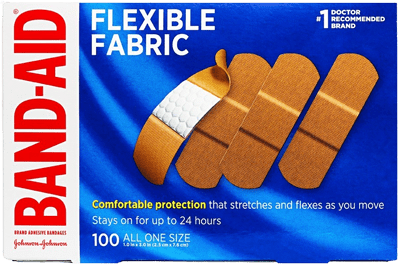
Band-Aid Flexible Fabric
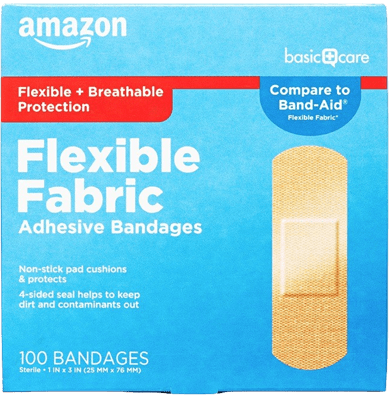
Amazon Basic Care Flexible Fabric
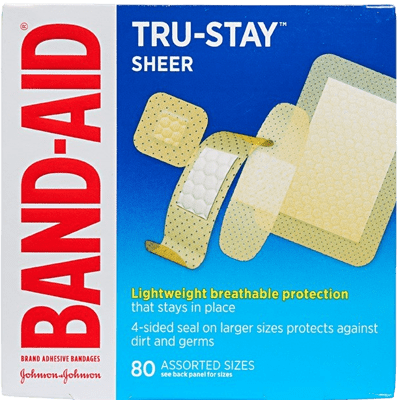
Band-Aid Tru-Stay Sheer
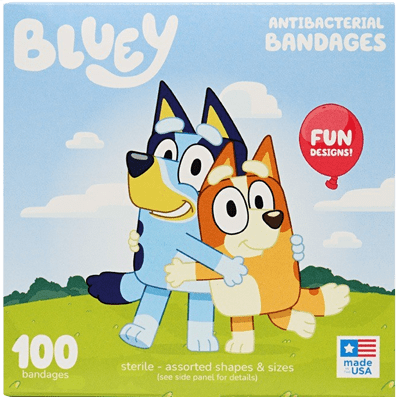
Care Band Kids Bandages
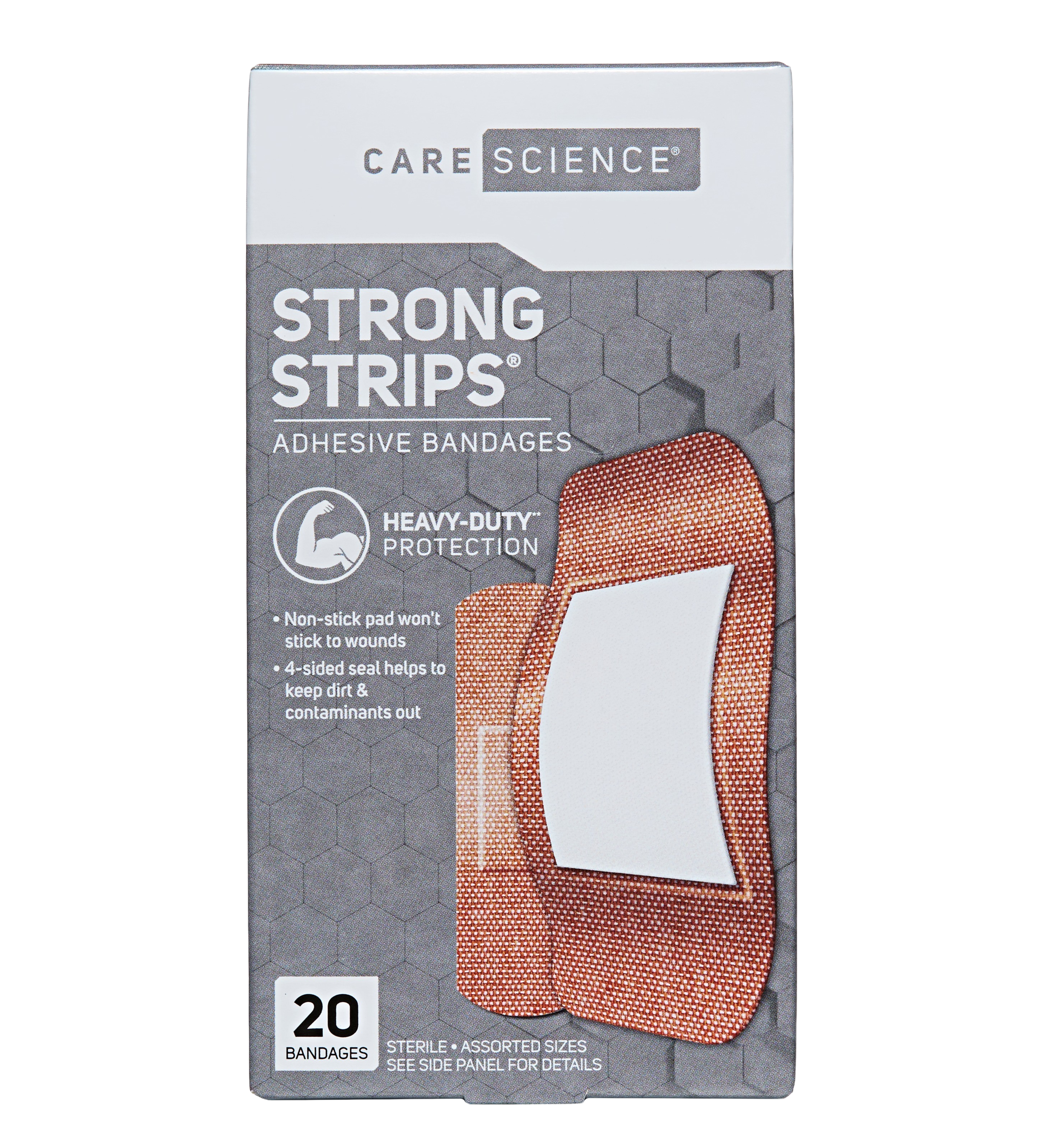
Care Science Strong Strips
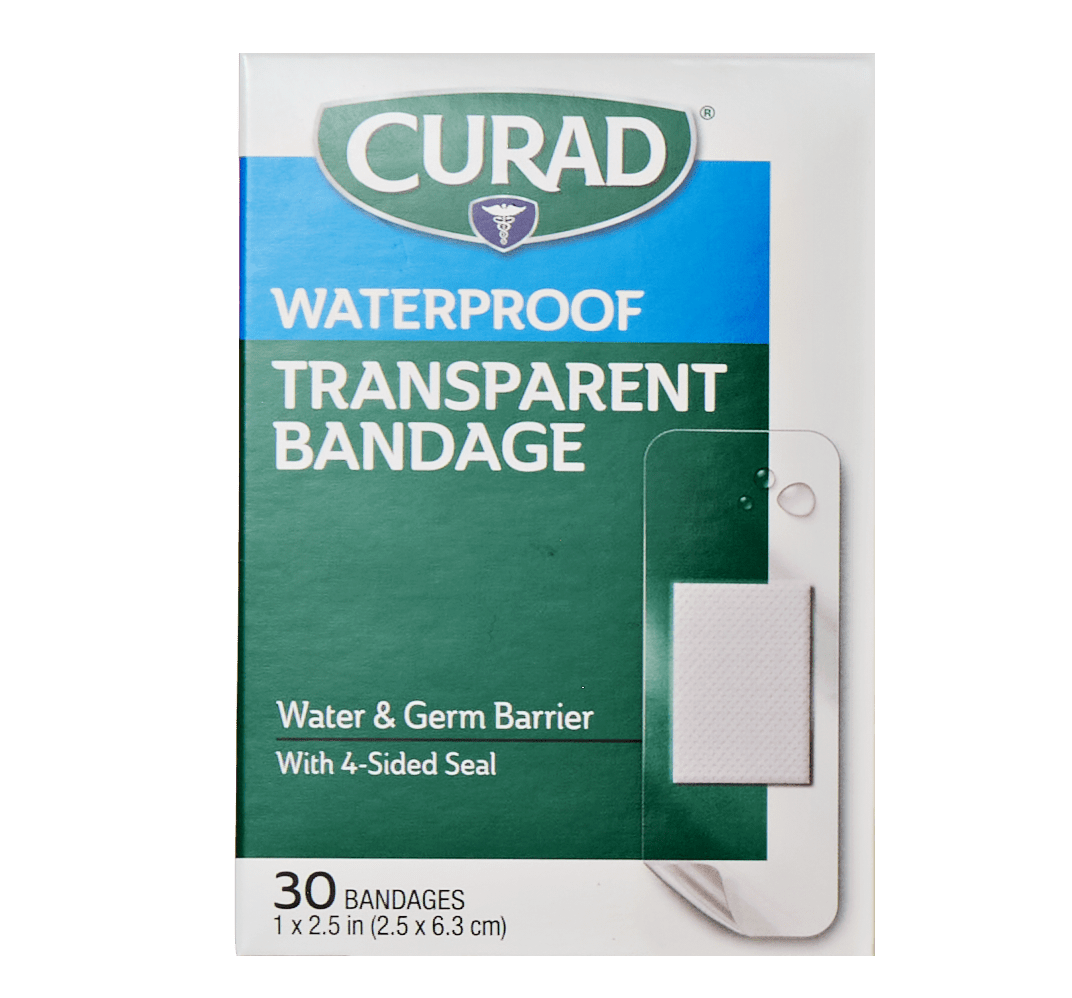
Curad Waterproof Transparent Bandages
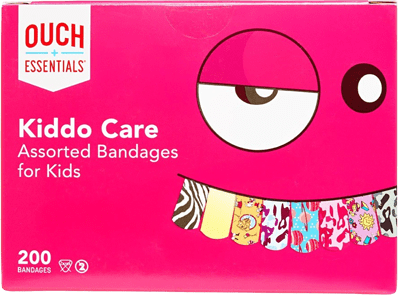
Ouch Essentials Kiddo Care, Assorted
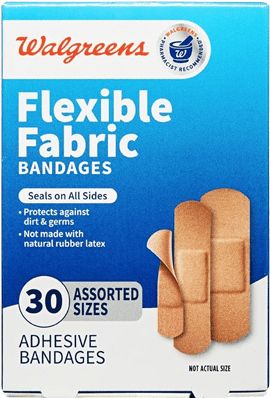
Walgreens Flexible Fabric Bandages, Assorted
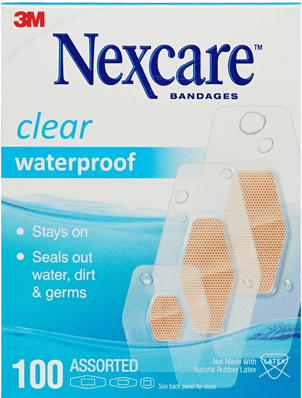
Nexcare Clear Waterproof
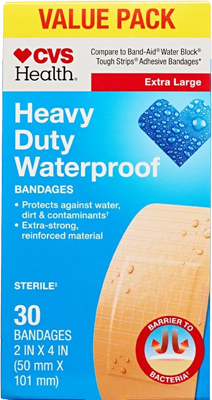
CVS Health Heavy Duty Waterproof
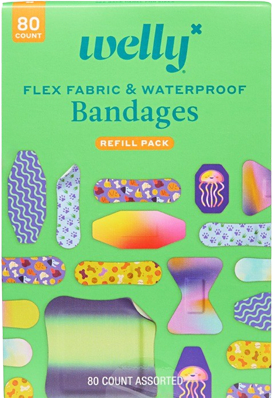
Welly Flex Fabric and Waterproof *
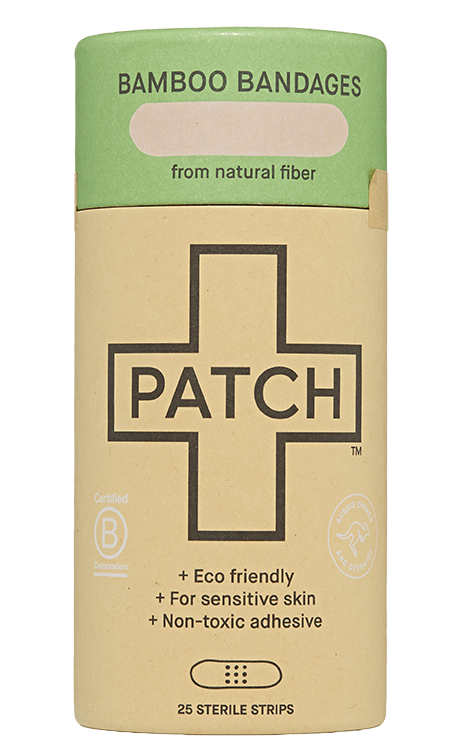
Patch Natural Bamboo
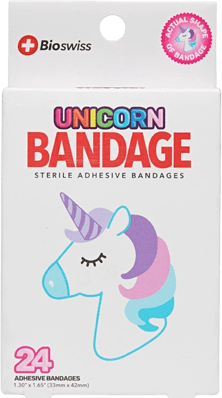
BioSwiss Unicorn Shaped Bandages
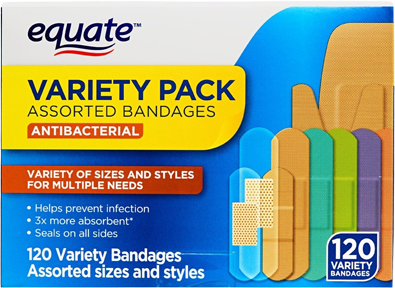
Equate Antibacterial Variety Pack *
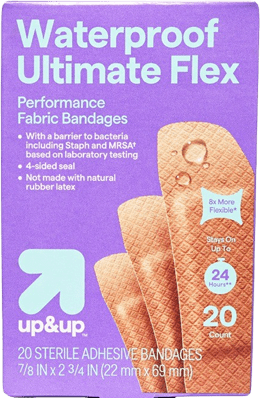
Up&Up Waterproof Ultimate Flex
While the levels CR found are relatively reassuring, the fact that people wear adhesive bandages for prolonged periods underscores why getting to lower levels is so important. Dermal exposure to PFAS has not yet been widely studied, but in 2024 researchers found that it could be a “significant source of exposure for some PFAS, especially the shorter-chain PFAS.” Adhesive bandages also often cover and touch open skin and, according to Kapoor, “no safe threshold for wound-contact exposure has been formally established.” Still, Kapoor adds, “all of the bandages in our tests are safe to use.”
Of the 14 bandage brands we tested, we found two of them explicitly claim on their websites that their products are PFAS-free: Patch (which contained 3.5 ng/g of one specific PFAS) and Bioswiss (which contained 4.2 ng/g of the same individual PFAS).
Patch told CR in a statement that the company never intentionally adds PFAS to its products and that they actively monitor their supply chain to help ensure the safety and integrity of every input material used in their products.
“PATCH was created in response to the growing number of consumers who cannot comfortably wear conventional plastic bandages, including individuals with sensitive skin and adhesive sensitivities. From the beginning, our focus has been on developing wound care products that remove not only microplastics, but plastics altogether from our products wherever possible,” the statement said. “We will continue batch testing products entering the USA market in partnership with our independent testing partners to help maintain our no PFAS standard.”
Donnamax, the company that owns BioSwiss, did not respond to CR’s questions about PFAS and its bandages.
Several test results revealed the presence of some particularly concerning PFAS compounds. We detected EtFOSE, a precursor to high-risk PFOS, in the adhesives of four bandages: Equate, Patch, Welly, and Bioswiss, and in the padding of CVS Health bandages. The padding component of Nexcare contained PFBA, the short-chain alternative to PFOA. And the Up&Up adhesive had 8.1 ng/g of that same compound, PFBA, the single highest PFAS concentration we found across all samples.
How Bandage Companies Responded
Consumer Reports contacted the manufacturers of the bandages we tested to share our results and ask whether they intentionally add PFAS to their products or have protocols in place to keep them out.
Of the seven companies that responded to our specific questions about intentional PFAS use and third-party testing—3M (Nexcare), Amazon Private Brands (Amazon Basic Care), CVS Health, Kenvue (Band-Aid), Patch, Walmart (Equate), and Welly—six said they do not intentionally add PFAS to their products. Walmart, the company that makes Equate bandages, did not address the issue. “We are committed to providing safe, high-quality products, and work continuously with our suppliers to review and ensure standards are met,” a spokesperson told CR in an emailed statement.
Like Patch, several companies say they independently test their bandages for PFAS. Amazon, for example, said: “We use a targeted two-step testing approach with accredited third-party laboratories to help verify PFAS compliance.” And a spokesperson for Welly told CR it has “conducted independent third‑party testing through accredited laboratories.”
Neither Kenvue, Band-Aid’s manufacturer, nor CVS Health explicitly responded to our question about independent testing. But Kenvue told CR that its bandages “are safe to use, comply with existing regulations, and pass rigorous safety and quality checks before they become available to consumers.”
In their comment to CR, a CVS Health spokesperson addressed the company’s supply chain oversight. “While we don’t manufacture our store brand adhesive bandage products directly, we require our suppliers to adhere to all laws and regulations and regularly coordinate with them to ensure our products comply with state and federal requirements.”
Amazon said its “products meet current regulatory and industry standards for bandages,” while Welly told CR “We are always working with our suppliers and scientists to identify potentially unknown sources of PFAS so we can keep them out of our products.”
Protect Yourself from PFAS
Once forever chemicals enter the human body, they linger there: About 97 percent of us have them in our blood. Even at relatively low levels, PFAS can lead to a wide range of health problems. “We call them multi-system toxicants,” DeWitt says, since they can move around the body and affect many different tissues. Exposure to the chemicals has been linked to immune system problems, kidney disease, thyroid disease, certain cancers, and more.
Forever chemicals have been unnecessarily added to many consumer products, says Graham Peaslee, a physics professor at the University of Notre Dame who has been studying PFAS for more than a decade and first discovered the chemicals in firefighters’ equipment. “Very little is essential use—almost none, I would say. I can think of one or two, but it’s pretty esoteric,” he says. And it’s not just the exposure via the product consumers need to worry about: Once we dispose of those products, Peaslee says, the forever chemicals they contain usually end up in landfills, eventually contaminating our water supply (and the environment).
Given the ubiquity of PFAS, it’s important to avoid them whenever possible. A certified filter can remove the chemicals from your drinking water, and using nonstick cookware alternatives and avoiding certain food packaging can help keep them out of your meals. Help eliminate dust that could contain PFAS by regularly cleaning with a HEPA filter vacuum (with windows open, when possible). And proceed with caution if you see waterproof claims in cosmetics and textiles: They may contain forever chemicals.
Avoiding prolonged contact with adhesive bandages, especially for minor wounds, can also help limit exposure if the product does contain forever chemicals.
Manufacturers also play an important role in keeping people safe from PFAS. As with the makers of many other consumer products for which PFAS are unnecessary, CR experts say it’s essential for adhesive bandage manufacturers to prioritize eliminating forever chemicals. To address unintentional contamination, companies can start by performing a thorough audit of their supply chains.
“We’re definitely going in the right direction,” says Kapoor. “But there’s always work to be done.”


