

Introduction
5 Reasons Not to Buy a Toyota RAV4 Now
The RAV4 is popular for good reason. But there are other great small SUVs you might want to choose instead.Overview
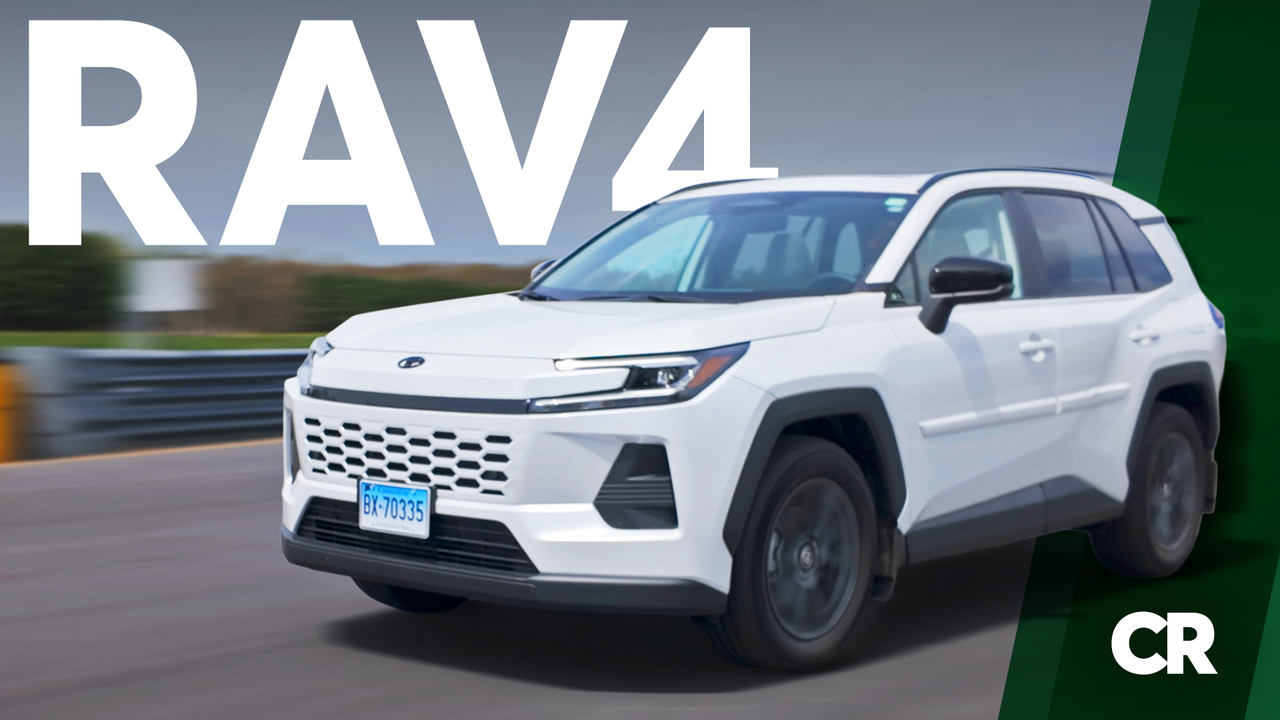
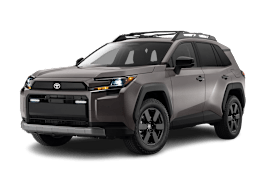
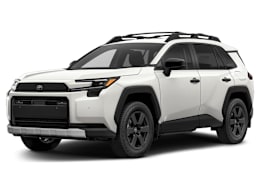
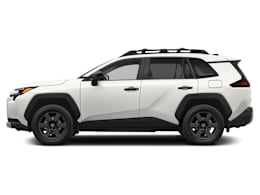
The redesigned 2026 Toyota RAV is offered strictly as a hybrid and a plug-in hybrid (PHEV). It introduces new trim levels and steps up its game for comfort, convenience, and safety.
The first-generation 1996 Toyota RAV4 pioneered the modern small sport/utility vehicle. At the time, SUVs were truck-based and off-road-ready with room for people and cargo, but not as comfortable for everyday use as a regular car. With the RAV4, Toyota showed that manufacturers could combine the civility of a car platform with an SUV body to "cross over" into a new vehicle category. The concept stuck, inspiring legions of imitators.
As a testament to Toyota’s vision, the RAV4 has become not only the most popular small SUV but also the most popular passenger vehicle in the U.S. that isn’t a full-sized pickup truck.In this article
It is no surprise, then, that Toyota didn’t stray from its successful formula when designing the latest-generation RAV4. The all-new RAV4 has identical dimensions to the outgoing model, but there are significant changes beyond the styling refresh.Continuing Toyota’s electrification push across its model lineup, this RAV4 is available only in hybrid and plug-in hybrid forms. Both electrified powertrains are more powerful than those in the model it replaces.
The interior uses Toyota’s new Arene software platform, which is the foundation for the latest connectivity, security, and active safety features. The RAV4 comes with Toyota Safety Sense 4.0, the latest version of the brand’s suite of active safety and driver assistance features. Like other Toyota models, the RAV4 comes with ToyotaCare, a plan that covers factory-recommended services for two years or 25,000 miles.